The bill of quantities tells you where a project will make or lose money. A practical checklist for the things that are easy to miss.
The bill of quantities is where a project quietly makes or loses money. It's also where the easy-to-miss risks hide. Before you bid, it pays to read a BOQ like a site engineer, not an estimator.
A practical checklist
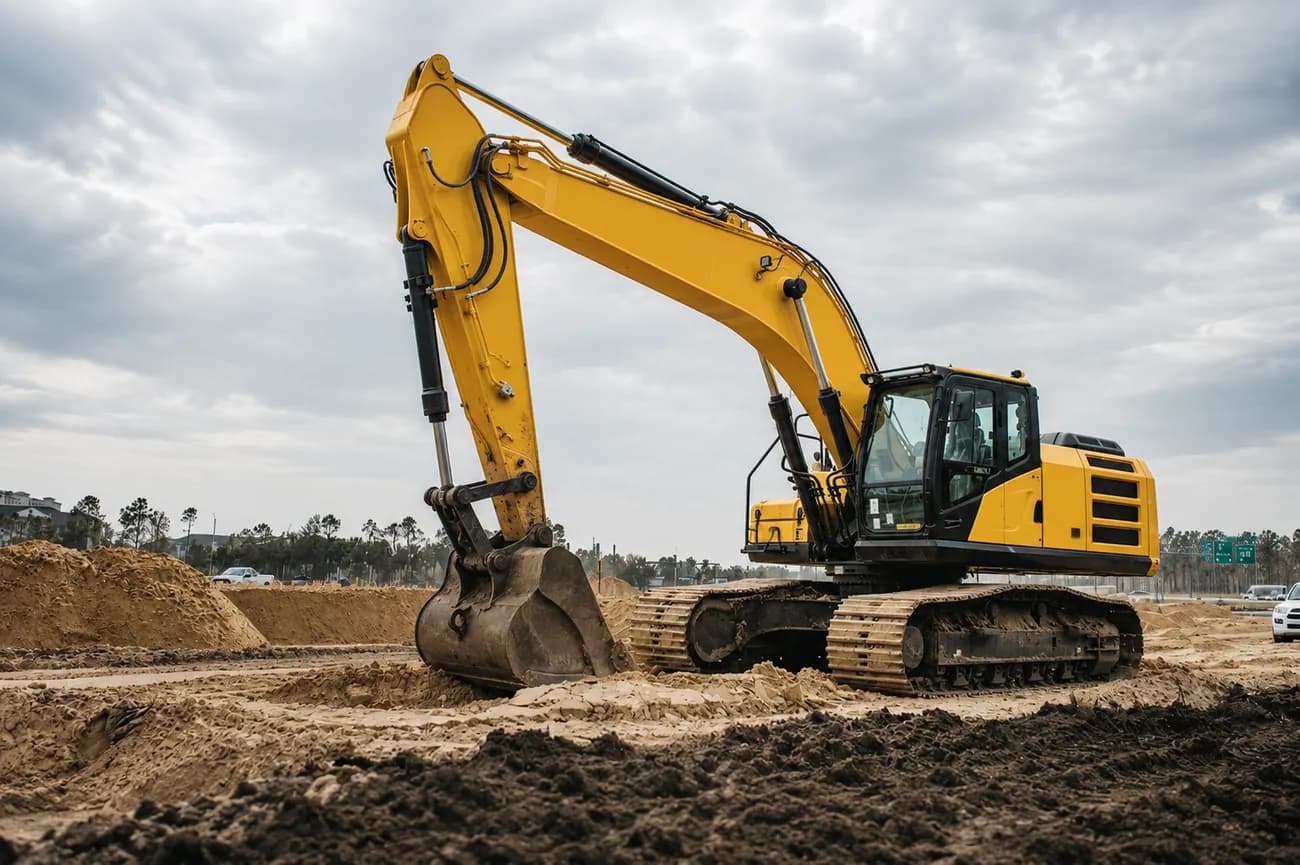
- Check the earthwork assumptions — soil type, water table and lead distances swing cost more than almost anything else.
- Look for what's not there: dewatering, shoring, temporary works and access roads are frequently under-specified.
- Reconcile quantities against the drawings yourself; don't assume the take-off is right.
- Flag items with vague specifications — 'as directed' lines are where scope creep lives.
- Confirm the finishing schedule matches the quality the client expects to sell or occupy.
Price the risk, not just the work
A clean-looking BOQ can still be a loss-maker if the site conditions bite. We price against what the ground and the programme actually demand, not just the line items — which is why our commitments hold once work starts.
Reading a BOQ well is unglamorous, but it's the difference between a project that runs to plan and one that fights you from month one.