Delivering a five-lakh-sq.ft industrial shell on a tight schedule is about sequencing, not shortcuts. A look at how we ran the Vikram project.
A five-lakh-square-foot industrial shell on a tight schedule looks, from the outside, like a test of speed. It isn't. It's a test of sequencing. Shortcuts on a build that size don't save time — they create rework that costs far more than they saved.
Plan the sequence before the plot
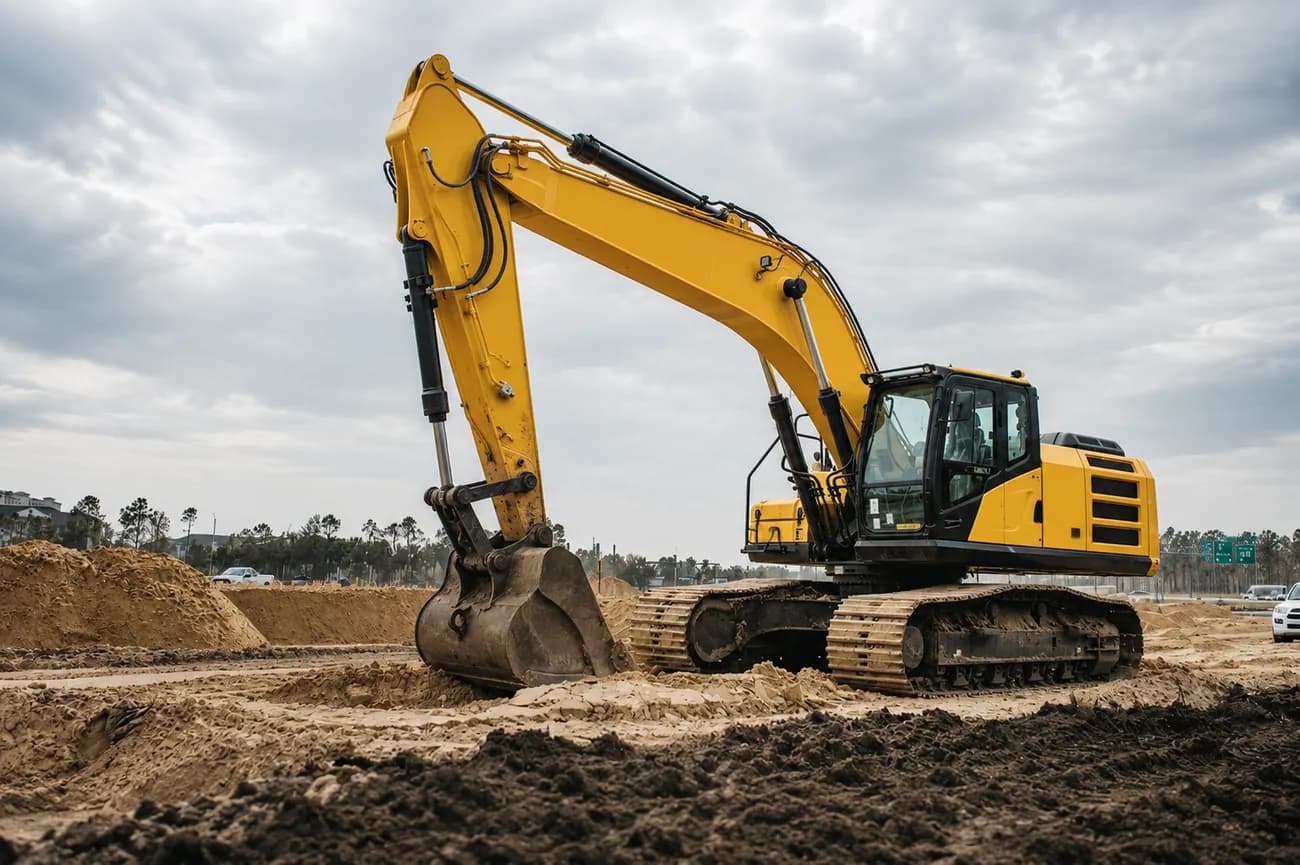
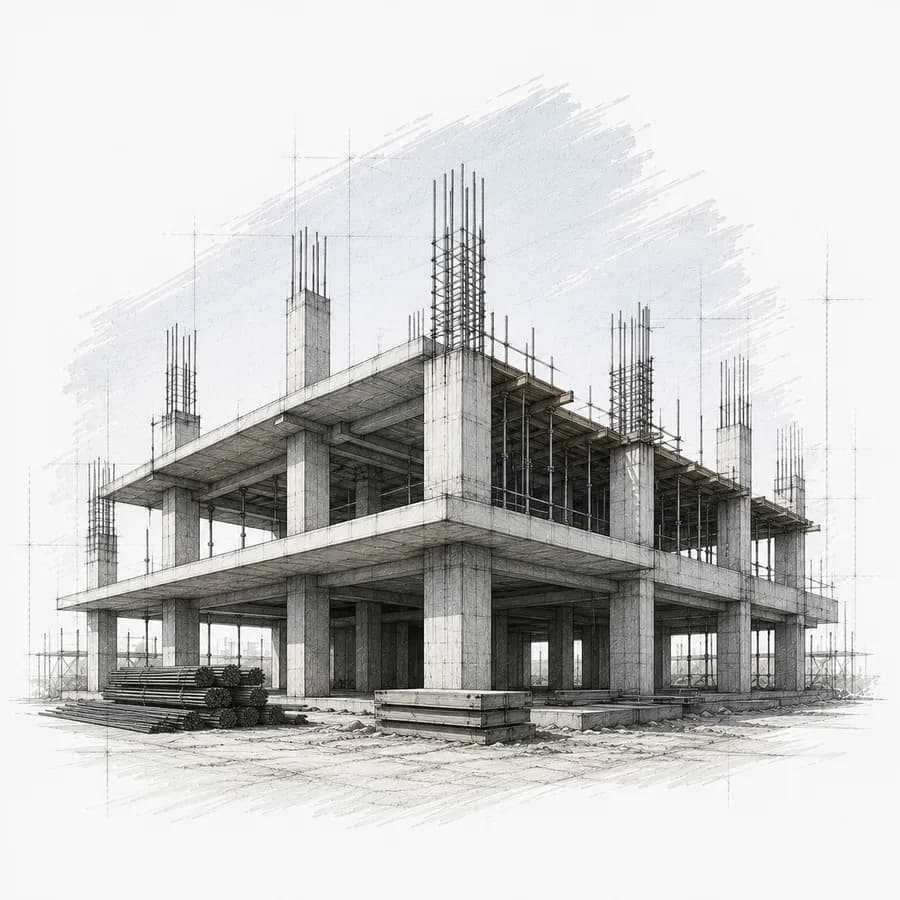
Every fast-track project we run starts with detailed survey, feasibility and, where it helps, 3D modeling. The goal is to lock the sequence — earthwork, foundations, structure, flooring, utilities — before a single machine moves, so the critical path is clear and every crew knows what unlocks the next.
Own the constraint
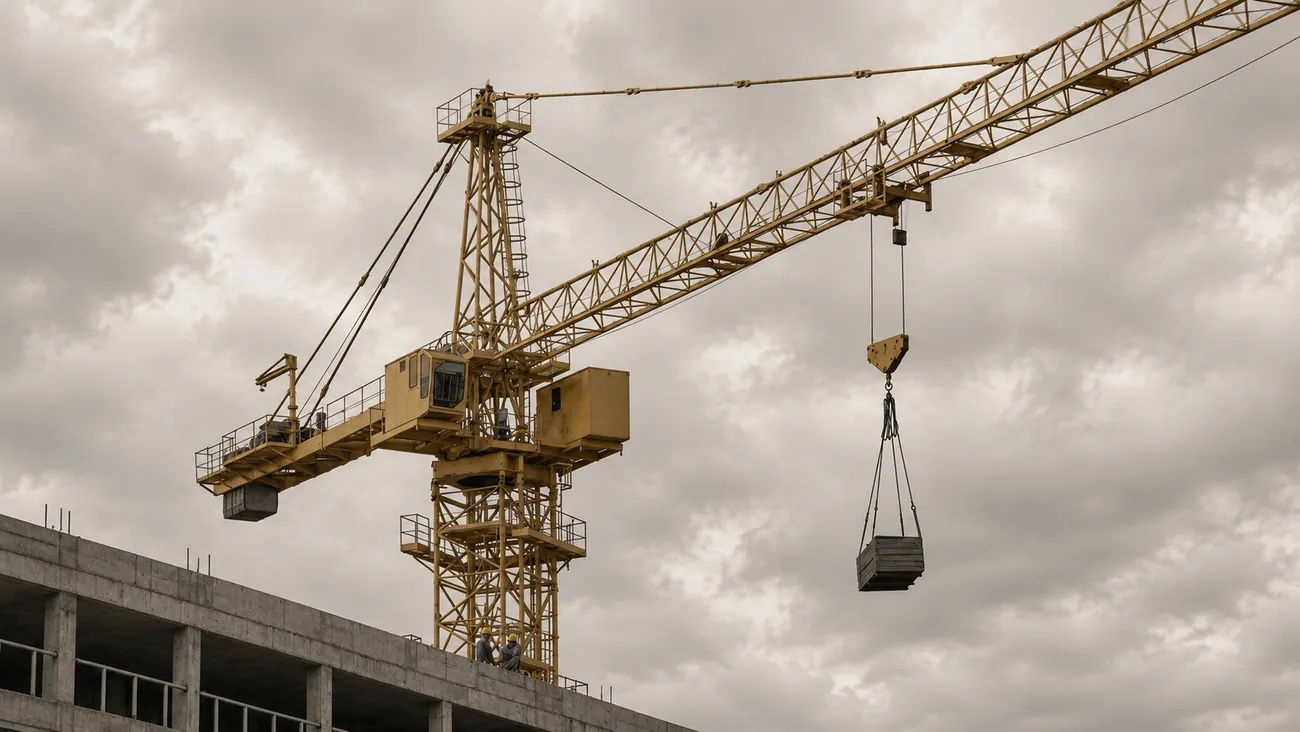
On a large shell, the batching plant and the flooring are usually the constraints. We run our own batching plants and transit mixers so concrete supply never gates the pour, and we sequence flooring in bays so structure and slab progress together rather than one waiting on the other.
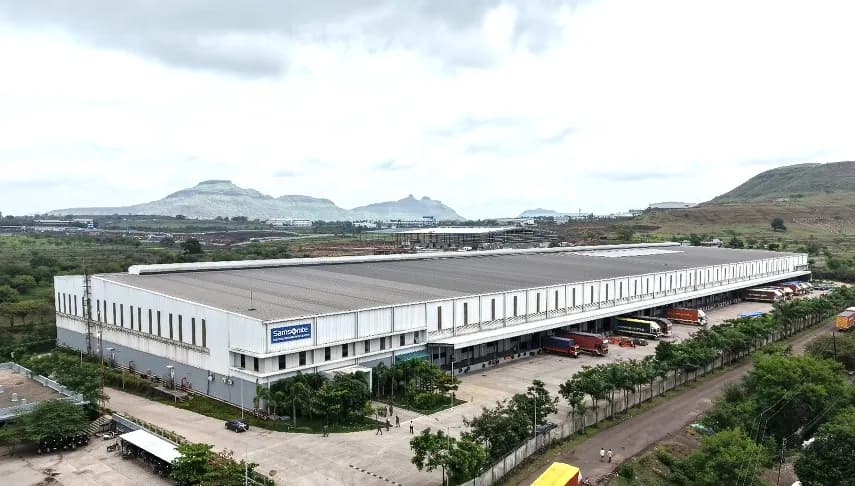
On the Vikram project for Samsonite, that discipline is what delivered 5 lakh sq.ft in roughly 13 months — through a Maharashtra monsoon — without trading away quality for pace.
Fast is a by-product of control
The lesson we keep relearning: you don't hit a fast-track date by working faster. You hit it by removing the waits — owned plant, a locked sequence, and one team accountable end to end.